Government Banks in India: Complete List of 12 PSU Banks
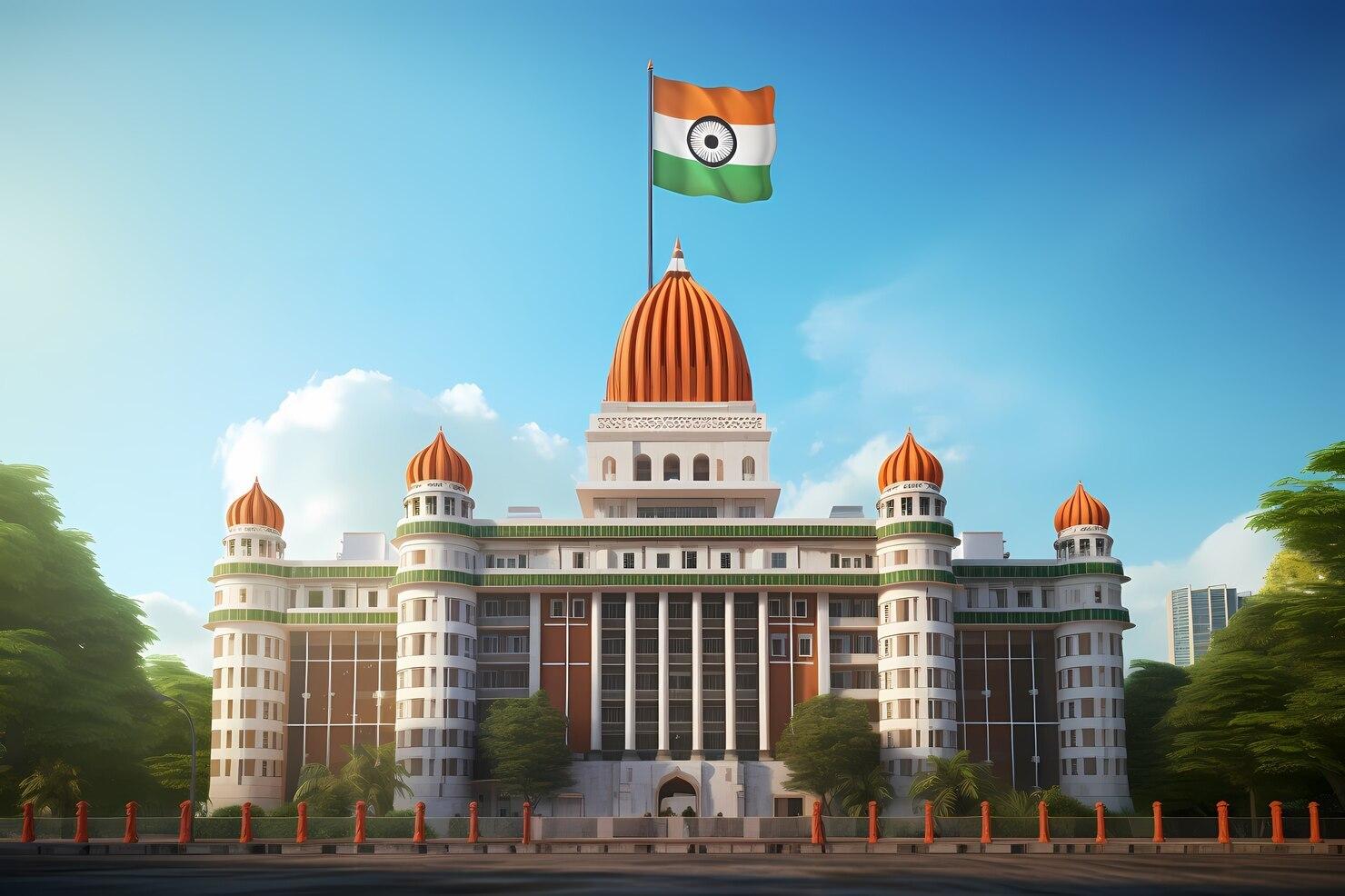
TL;DR: India has 12 government banks (public sector banks) in 2026, down from 27 after recent mergers. Largest: SBI (₹9.49 lakh crore market cap). All regulated by RBI, majority owned by government. Benefits: Lower interest rates, wider rural presence, government scheme access. Biggest: SBI, Bank of Baroda, PNB. Each has unique strengths. Choose based on your banking needs, or use CreditMitra to compare loan offers from all banks.Government banks, also called public sector banks (PSBs) or nationalised banks, are banks where the Government of India owns at least 51% of the shares. They're regulated by the Reserve Bank of India (RBI) and focus on social welfare and financial inclusion, not just profit.
When Indians think about banking, trust is often the first factor that comes to mind. Government banks represent that trust. These 12 nationalised banks form the backbone of India's financial system, serving over 45 crore customers and reaching every corner of the country, from metro cities to villages with populations under 1,000.
But with 12 government banks to choose from, how do you know which one is right for your personal loan, home loan, savings account, or fixed deposit? At PaisaOne, we've analyzed the products and services from each government bank to help you make the informed choice.
What Is a Government Bank?
A government bank, also called a public sector bank (PSB), is a financial institution where the Government of India holds at least 51% ownership. These banks are regulated by the Reserve Bank of India (RBI) and overseen by India's Ministry of Finance.
Unlike private banks (HDFC, ICICI, Axis), which are shareholder-owned and profit-driven, government banks prioritize financial inclusion, bringing banking services to rural areas, supporting farmers, and implementing government welfare schemes like Jan Dhan Yojana, MUDRA loans, and PM-Kisan.
Why does the 51% rule matter? It ensures the bank's decisions align with government policy and financial inclusion objectives, not just shareholder returns.
The Complete List: All 12 Government Banks in India (2026)
India currently has 12 government banks. Here's the complete list ranked by market capitalization as of February 2026:
Top 10 Government Banks: Detailed Overview
1. State Bank of India (SBI) , India's Largest Government Bank
SBI stands as the undisputed leader with a ₹61+ lakh crore balance sheet, 45+ crore customers, and a presence in virtually every corner of India. Its 22,740+ branches and 65,000+ ATMs make it the most accessible government bank. SBI leads in digital banking innovation, its mobile app hosts over 30 crore users. For personal loans, home loans, credit cards, and savings accounts, SBI offers competitive rates and hassle-free processing. Government employees get special rates 0.5-1% lower than standard rates.
2. Punjab National Bank (PNB) , The Government Employee Bank
Founded in 1894, PNB is India's oldest government bank and holds the position as the preferred choice for government employees and senior citizens. PNB's government employee home loans and pension schemes are industry-leading, offering rates 50-75 basis points below market. With 9,693+ branches, PNB provides strong coverage in North and East India. Its personal loans start at competitive 8.5% p.a. and education loans are tailored for students planning to study abroad.
3. Bank of Baroda (BoB) , International Banking Leader
Bank of Baroda specializes in NRI (Non-Resident Indian) services and international transactions. It operates 4 international branches (London, New York, Dubai, GIFT City). BoB's personal loans, home loans, and credit cards are highly competitive. Its digital banking platform is modern and responsive. If you're an NRI or plan to transfer funds internationally, BoB's expertise is unmatched among government banks.
4. Bank of India (BoI) , Rural and Semi-Urban Specialist
Bank of India has the deepest presence in rural and semi-urban India with 8,100+ branches. If you need banking services in smaller towns or villages, Bank of India almost certainly has a branch nearby. It offers strong agricultural lending through Kisan Credit Cards and is a leader in rural loan disbursement. For farmers and rural business owners, Bank of India is often the go-to option.
5. Canara Bank , Education Loan Leader
Canara Bank stands out for education financing. It has dedicated education loan programs with favorable terms, flexible repayment after course completion, and competitive interest rates. Canara Bank also offers student-focused savings accounts and has been growing its digital banking presence with an AI-enabled chatbot. Net profit grew 18.93% year-on-year, signaling strong operational health.
6. Union Bank of India (UBI) , MSME & Retail Lending Focus
Union Bank of India specializes in micro, small, and medium enterprise (MSME) lending and retail banking. It's a strong choice for small business owners seeking loans and working capital. UBI also implements government schemes efficiently and has a large presence in urban and semi-urban markets. Established in 1919, it combines traditional banking strength with modern digital capabilities.
7. Indian Bank , South India Strength
With headquarters in Chennai, Indian Bank dominates South India's banking landscape. It was incorporated in 1907 and has a regional advantage in Tamil Nadu, Andhra Pradesh, and Karnataka. For customers in these regions, Indian Bank offers quick approvals and personal service. Its customer service reputation is strong, and mobile banking adoption is high.
8. Central Bank of India , Historic & Stable
Central Bank of India, established in 1911, is one of India's oldest government banks. It offers traditional banking services across retail, corporate, and agricultural segments. With 5,600+ branches, it provides reliable services, particularly in Central and Eastern India. For customers valuing stability and long-standing banking traditions, the Central Bank of India is a solid choice.
9. Bank of Maharashtra , Regional Leader
Bank of Maharashtra operates primarily in Maharashtra, offering strong local presence and understanding of regional customer needs. It has grown steadily and offers competitive personal loans, home loans, and savings accounts. For Maharashtra residents, it provides convenient branch access and personalized banking experience.
10. Other Notable Government Banks
Indian Overseas Bank: Focuses on international trade financing and NRI services; strong presence in South India
Punjab and Sind Bank: Serves Northern regions; traditional banking with growing digital services
UCO Bank: Eastern India presence; strong in Kolkata and surrounding regions
Government Banks vs Private Banks: Key Differences
Real-world impact: A ₹25-lakh home loan over 20 years at 7% (government bank) costs ₹30 lakhs total vs ₹35 lakhs at 8% (private bank), ₹5 lakhs difference. That's 5 months of your current salary saved by choosing a government bank.
Which Government Bank Should You Choose?
For Personal Loans
Best options: SBI (8.5%), PNB (8.5%), Canara Bank (8.7%) Why: Lowest interest rates among government banks, fast approval (48 hours), loan amounts up to ₹25 lakhs. Compare their rates on PaisaOne.
For Home Loans
Best options: SBI, PNB (especially government employees), Bank of Baroda Why: Home loan rates at 6.5-7% from government banks beat private banks by 1-1.5%. Government employees get additional discounts. 20-year tenure loans benefit most from lower rates.
For Student Loans
Best option: Canara Bank, Indian Bank Why: Education-specialized programs, flexible repayment (deferred until course completion), competitive rates, international course coverage.
For Rural/Agricultural Loans
Best options: Bank of India, Central Bank of India, PNB Why: Deepest rural branch networks (800+ villages), Kisan Credit Cards, government agricultural scheme implementation.
For Government Employees
Best option: PNB, Union Bank of India Why: Special discounted rates, exclusive pensioner schemes, 0.5-1% lower interest rates.
For Savings Accounts with Best Interest Rates
Best options: SBI (3-3.5%), Canara Bank (3.5%) Why: Government banks typically offer 2.75-3.5% on savings; private banks offer 2-2.5%. Open a zero-balance account at any government bank instantly.
Government Schemes Implemented by PSU Banks
Government banks don't just provide banking services, they implement critical government programs:
Pradhan Mantri Jan Dhan Yojana (PM-JDY)
10+ crore zero-balance accounts opened
Access to savings, insurance, pension, and overdraft (₹10,000)
Can open at any government bank branch in 2 minutes
Pradhan Mantri MUDRA Yojana
Loans from ₹50,000 to ₹10 lakhs without collateral
For small business owners and self-employed professionals
Available at all 12 government banks
PM-Kisan Nidhi
₹6,000 annual support to farmers (₹2,000 per installment)
Direct transfer to government bank accounts
10+ crore farmers benefit
Pradhan Mantri Awas Yojana (PMAY)
Home loans for low-income groups at subsidized rates
Interest subvention up to 6%
Available through government banks
Mergers & Evolution: From 27 Banks to 12
In August 2019, the Indian government consolidated government banks to make them stronger and more efficient. Seven major mergers reduced the number from 27 to 12 banks:
SBI absorbed 5 smaller banks
PNB merged with Oriental Bank of Commerce and United Bank
Union Bank merged with Andhra Bank and Corporation Bank
Why? Consolidation created stronger, larger banks with better capital ratios, operational efficiency, and ability to compete globally, while maintaining nationwide branch networks.
Frequently Asked Questions
Q: Is my money really safe in government banks?
A: Absolutely. Deposits up to ₹5 lakh are insured by DICGC. More importantly, no government bank depositor has lost money in 75 years, a track record unmatched by private banks. Government backing provides implicit security.
Q: Can I open a government bank account online?
A: Yes. SBI, PNB, Canara, and Union Bank offer online account opening for savings accounts. Zero-balance accounts can be opened at any branch in minutes with Aadhaar and PAN.
Q: Do government banks really offer lower rates than private banks?
A: Yes. Typically 2-3% lower on loans. A ₹5-lakh personal loan costs ₹50,000+ less interest with a government bank over 5 years.
Q: Which government bank has the most branches?
A: SBI with 22,740+ branches and 65,000+ ATMs. For rural access, Bank of India, Central Bank of India, and Punjab & Sind Bank also have strong networks.
Q: What's the difference between the public sector and government banks?
A: None. These terms are interchangeable. Both mean banks where the government owns 51%+ stake. "Nationalised bank" refers to banks taken over by the government in 1969-1980.
Q: Which government bank is best for NRI services?
A: Bank of Baroda (4 international branches: London, New York, Dubai, GIFT City). Indian Overseas Bank and SBI also excel in NRI services.
Take the Next Step: Compare & Apply
Now that you understand the 12 government banks and their strengths, it's time to compare actual product offers.
On PaisaOne, you can:
Compare personal loans from all 12 government banks side-by-side
See current interest rates updated daily
Compare home loan terms (tenure, down payment, approval timeline)
Review savings account rates from all banks
Check FD interest rates across government banks
Apply to multiple banks with a soft inquiry (doesn't reduce your credit score)
Government banks are tested, stable, and often cheaper, but only if you find the best offer for YOUR needs. Compare them on PaisaOne, choose the right bank, and save thousands in interest.
Ready to save? Compare government bank loans now →

Divya
Divya Kumari is an SEO & Content Strategist with experience in organic traffic growth, topical authority building, and content-led SEO strategies. She specializes in creating user-focused content for finance and SaaS websites, helping brands improve visibility through structured content planning, internal linking, and search optimization techniques.