Blogs
Your official source for paisaone news and updates
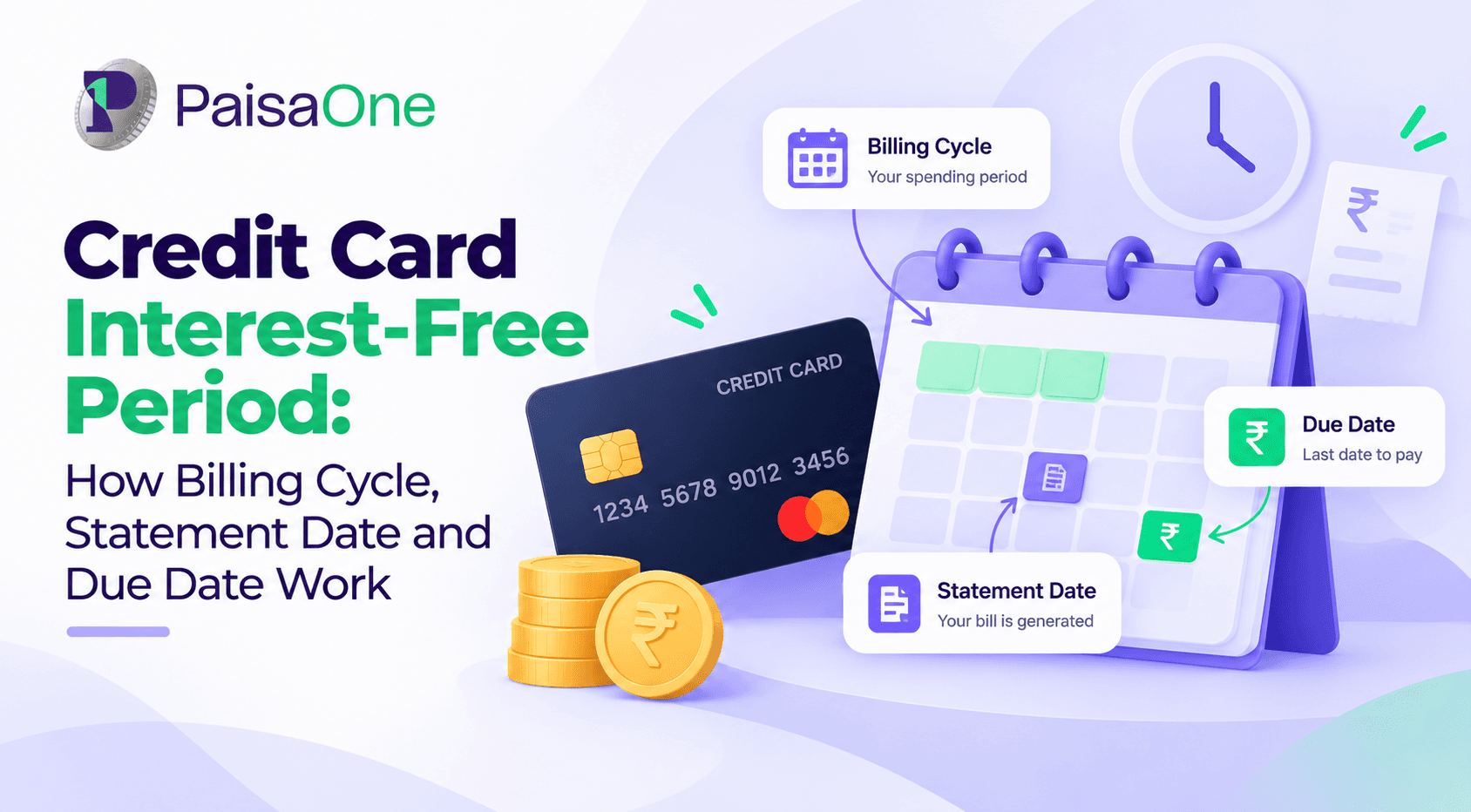
Credit Card Interest-Free Period: How Billing Cycle, Statement Date and Due Date Work
Understand how your credit card’s interest-free period works, how purchase dates affect the number of interest-free days, and why paying the full outstanding balance by the due date matters.
Credit CardOctober 22, 2026
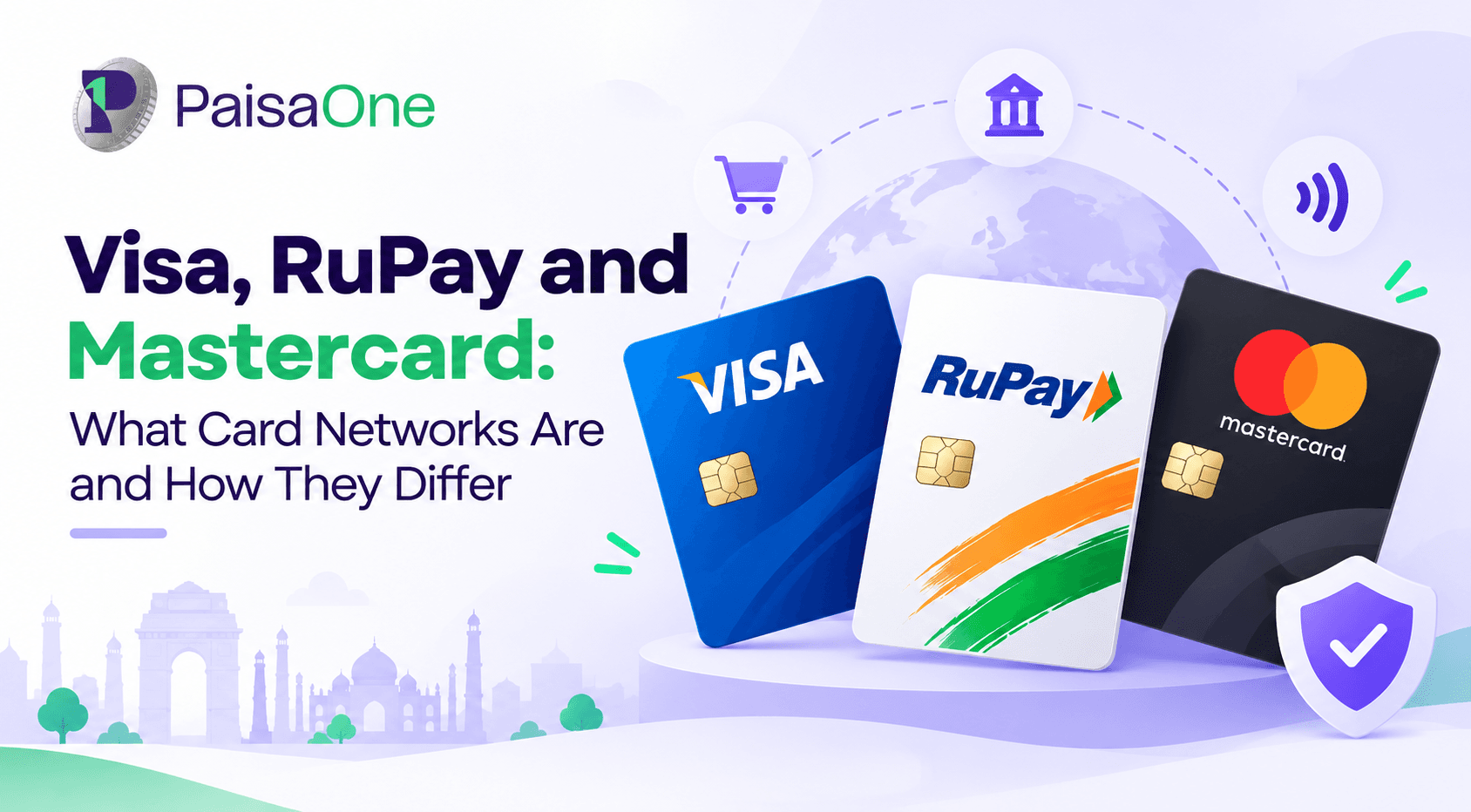
Visa, RuPay and Mastercard: What Card Networks Are and How They Differ
Credit ScoreSeptember 25, 2026
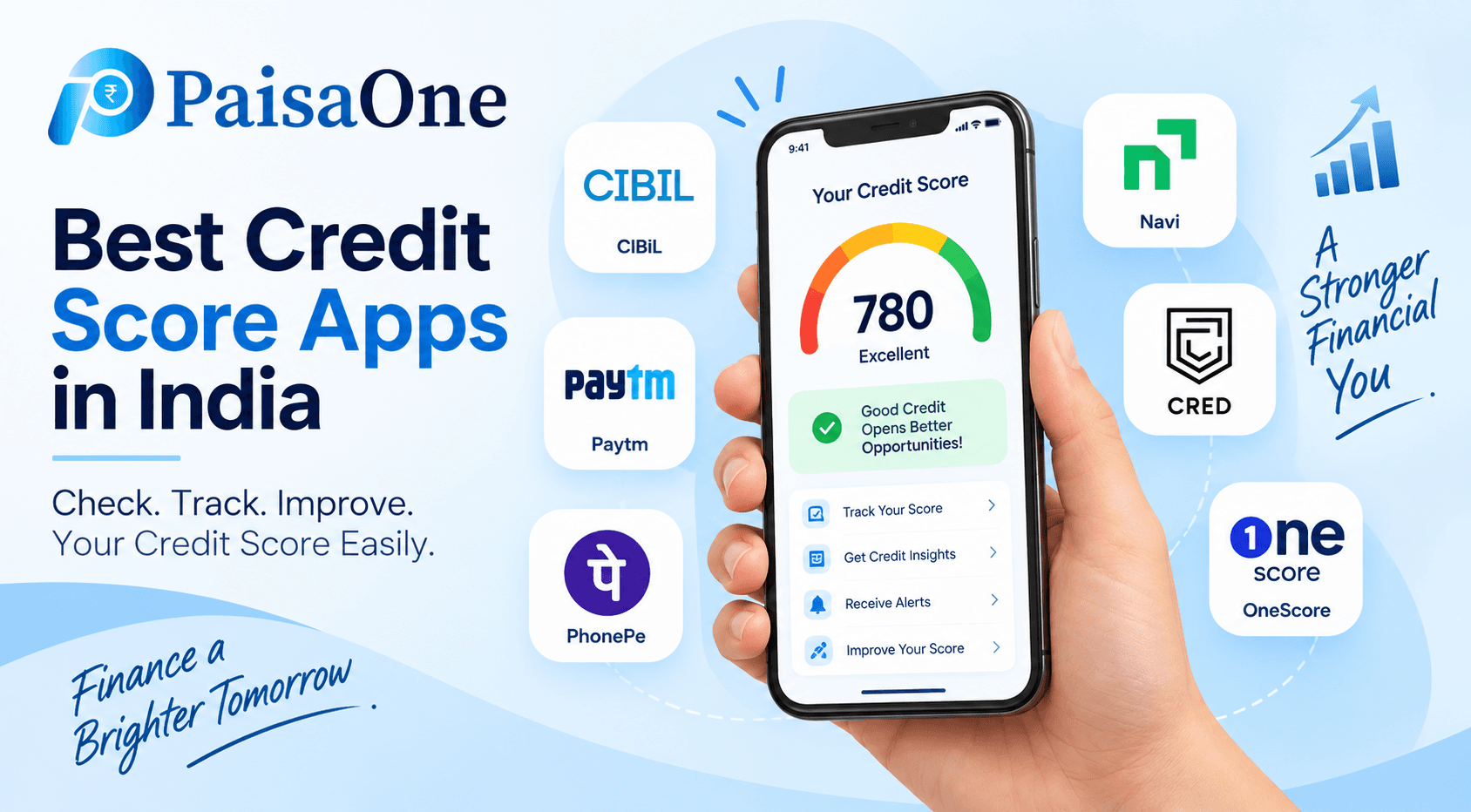
Best Credit Score Apps in India (2026): Which One Should You Use?
Cibil scoreSeptember 23, 2026
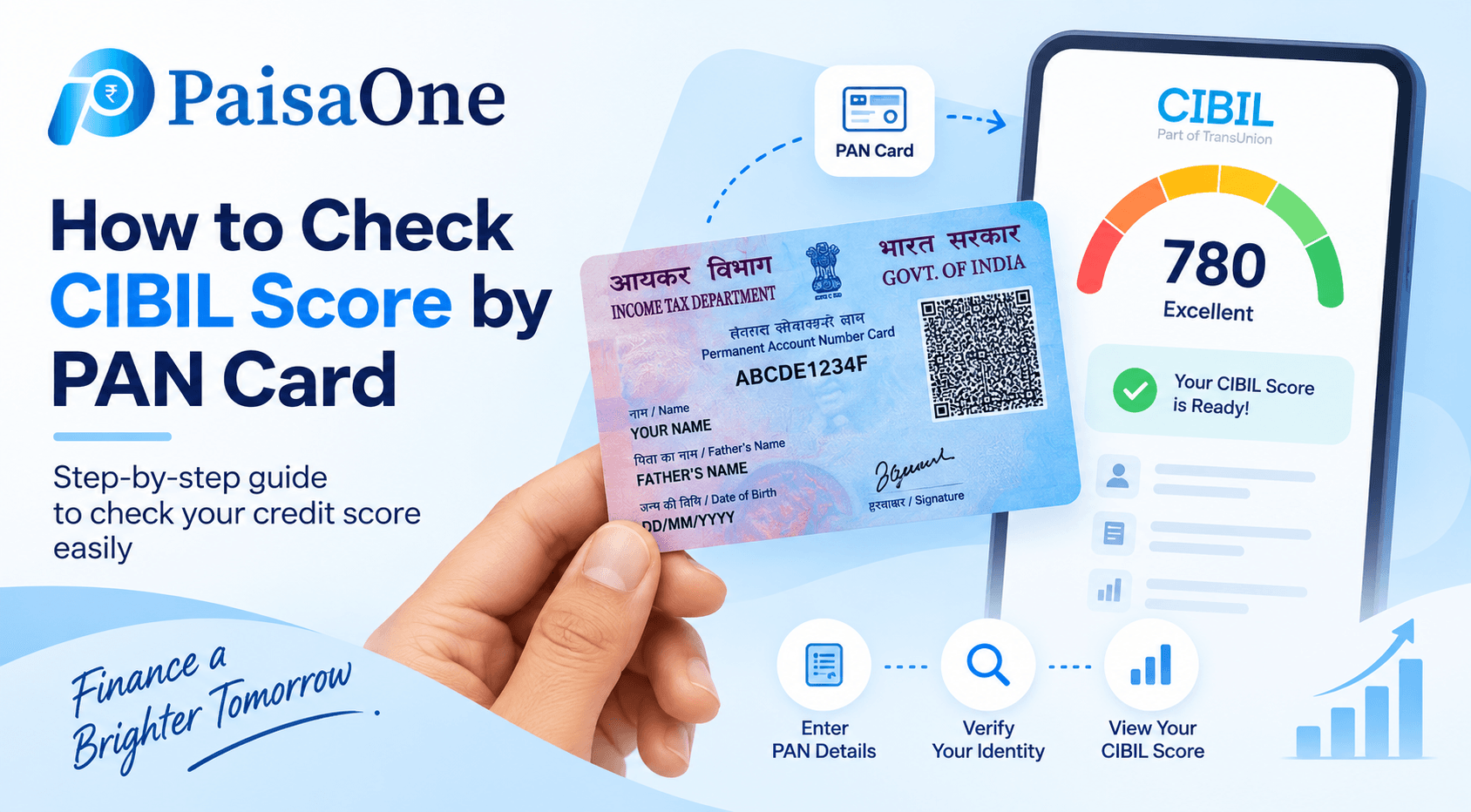
How to Check CIBIL Score by PAN Card in 5 Minutes, Complete Guide

LoansSeptember 22, 2026
Different Types of Personal Loans Explained, Which One Suits You?
LoansSeptember 21, 2026
What Is a Personal Loan? A Complete Beginner's Guide for 2026
FinanceSeptember 18, 2026
How to Change Name in Aadhaar Card (2026): Steps and Documents
FinanceSeptember 17, 2026
Aadhaar Address Update 2026: Online, Offline, HOF Route
FinanceSeptember 16, 2026
How to Update Your Aadhaar Card in 2026: Complete Step-by-Step Guide
BankingSeptember 10, 2026
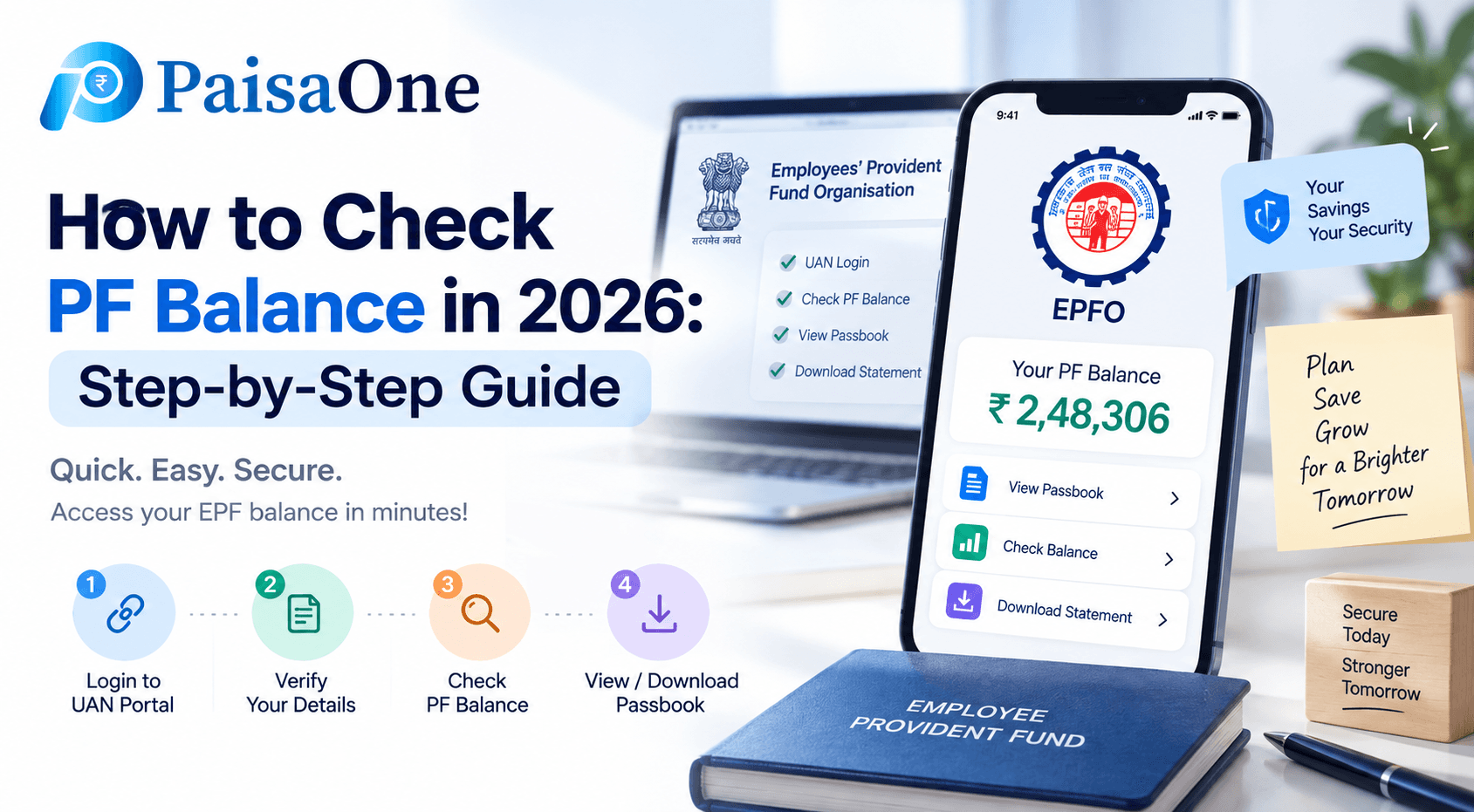
How to Check PF Balance in 2026: Step-by-Step Guide
Frequently Asked Questions
Get answers to common questions about personal loans
The maximum loan amount depends on your monthly income. In India, some lenders offer loans up to Rs 1 crore.
If you receive extra funds, you can pay them toward your loan before your EMIs are due. This is called prepayment. Each prepayment reduces your outstanding principal.
Most banks require a CIBIL score above 720 to approve a personal loan. If your score is lower, your application may be rejected or approved at a higher interest rate.
A personal loan is designed to meet immediate financial needs, such as travel, marriage, purchasing appliances, or other expenses. You can compare loan options from different banks and apply for the one that best suits your requirements.
When you apply for a personal loan, the lender reviews and approves your application. The approved amount is then disbursed to your bank account. You repay the loan through EMIs over the agreed tenure.
If your personal loan application is rejected, it is usually due to a low credit score or not meeting eligibility criteria. Improving your credit score and meeting the criteria can increase your chances of approval.
A personal loan can be used for holidays, starting a small business, purchasing consumer goods or a vehicle, paying friends or family, covering medical bills, or consolidating debt.
A pre-approved loan allows existing customers with a strong repayment record to apply without submitting documents or undergoing verification, due to their established relationship with the bank.
This depends on your lender. Some lenders charge you a fixed fee per prepayment, while others charge a percentage of the outstanding or prepaid amount.
Yes, lenders have specific terms for personal loan foreclosures. Typically, pre-closure is allowed after 12 EMIs, with a foreclosure charge and GST applied to the outstanding amount.
Minimum salary requirements vary by lender. Most require at least Rs 15,000 per month, while those in metropolitan cities may need to earn between Rs 20,000 and Rs 25,000.
Most lenders allow pre-payments or pre-closure during the loan term, usually after one year. A nominal fee may apply. Inform your lender if you wish to prepay or pre-close your loan.
Some lenders charge a fee for partial prepayment, while others may waive the fee or not charge for prepayment.
A bank can reject your personal loan application if you apply for a loan for which you are not eligible. It can also reject your application if you fail to submit the documents it requires.
Paisaone provides a tracking tool via email and SMS, allowing applicants to receive daily updates on their loan application status.
If you miss an EMI payment, the bank charges penal interest on the overdue amount, typically 2% to 3% per month.
It could be hard to get a traditional personal loan from a bank with a poor credit score and no checking account. However, certain lenders offer types of personal loans, such as payday loans, for those with a poor credit score. That said, the interest charged will be quite high.
Over your EMI, after a certain period following the disbursement of the loan, you can make a part-payment towards the loan. After a certain period, you can make part-payments in addition to your EMI. These payments reduce your outstanding principal.
Ready to Buy Your Dream Home?
Easily compare home loan rates from all leading banks and get the best housing loan in India with just one application.